


Epoxy Coatings
The workhorse. A bonded resin system that turns porous, staining concrete into a sealed surface you can hose off.
- Garages & basements
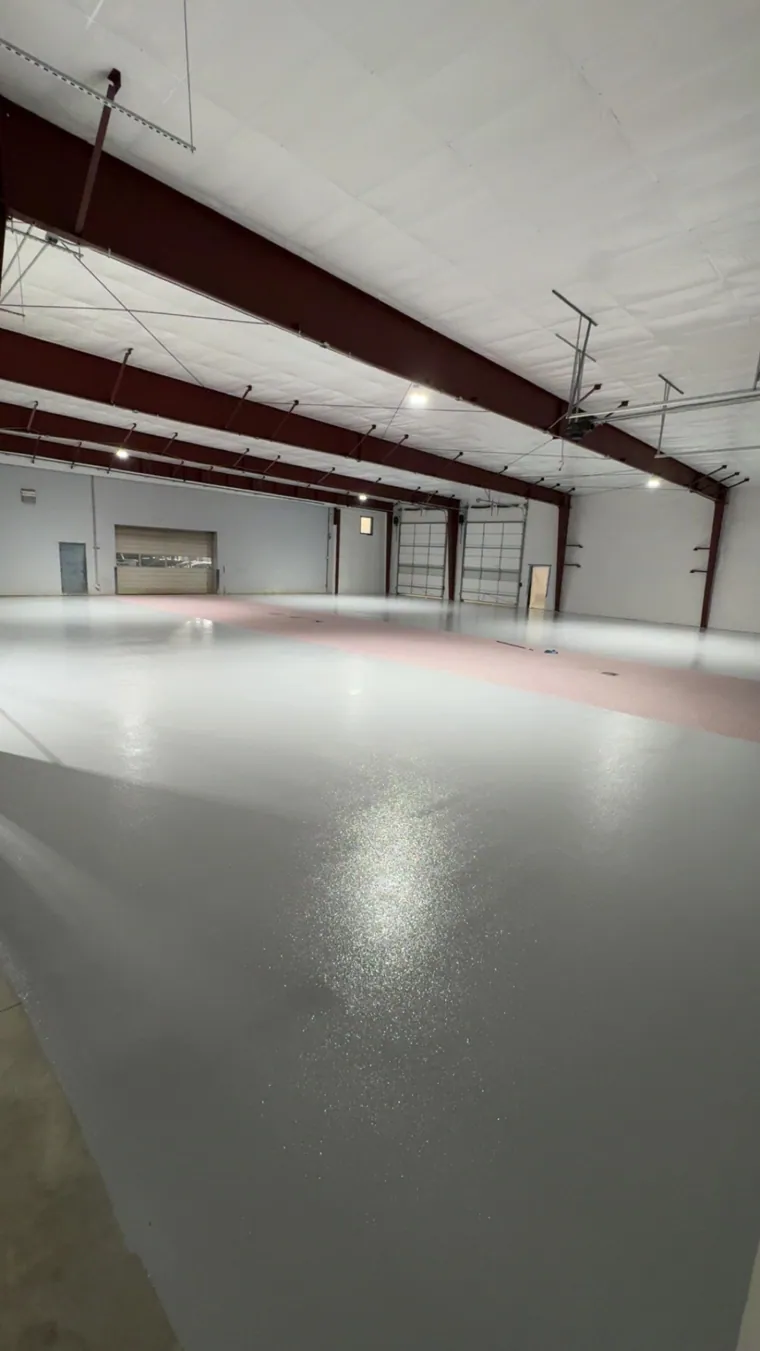
- Warehouses & shops
- Chemical and stain resistant
Kansas City, MO · All of Kansas & Missouri
High-performance epoxy, flake and metallic floors — diamond-ground into the slab, not painted onto it. 17 years of concrete across Kansas and Missouri.
What we lay down
Residential garages and basements, commercial warehouses, shops and showrooms. If it is concrete, there is a system for it.
The workhorse. A bonded resin system that turns porous, staining concrete into a sealed surface you can hose off.
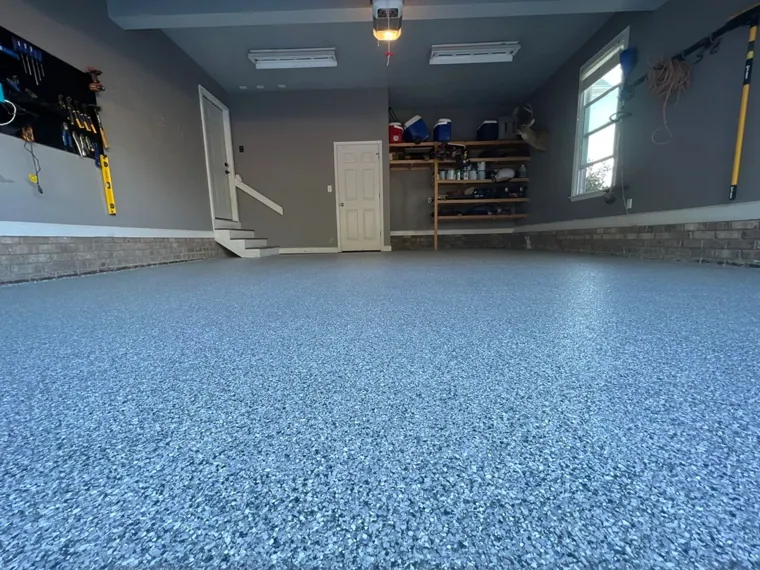
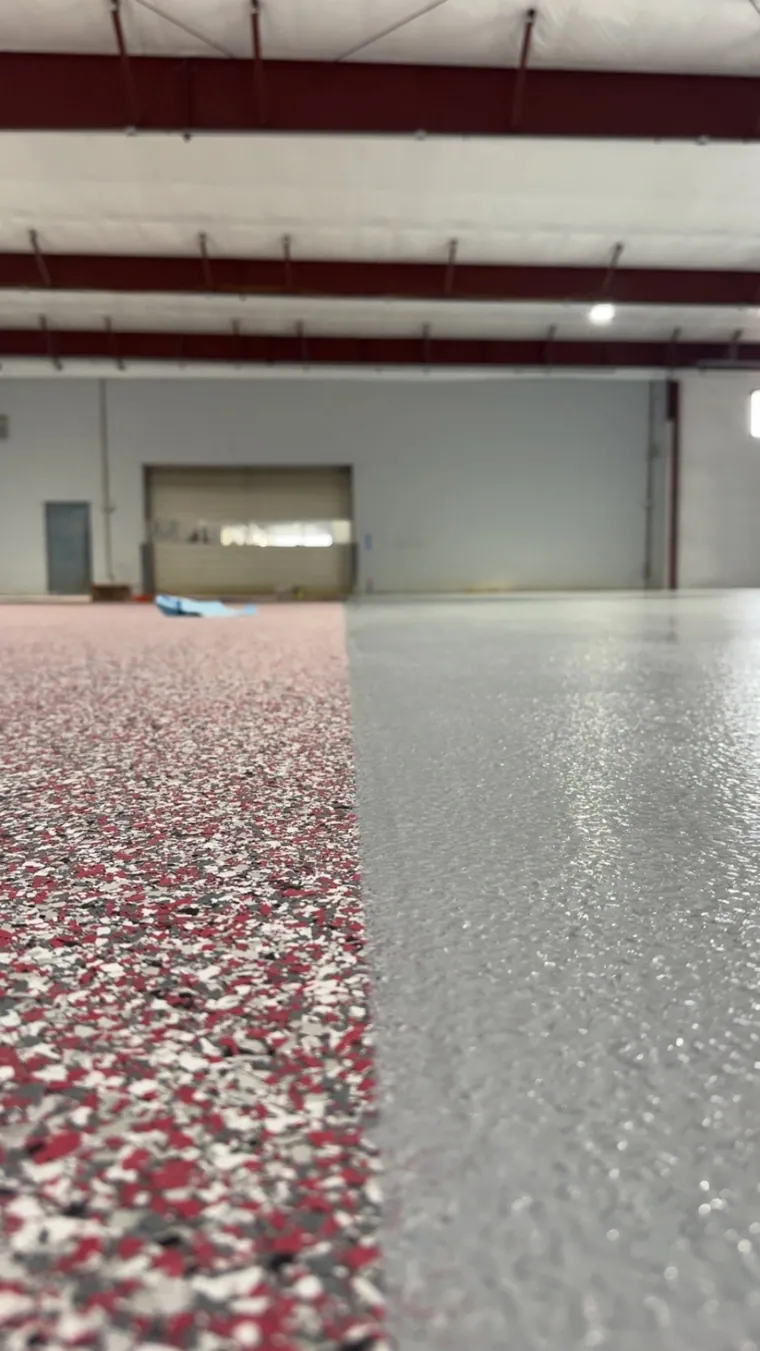
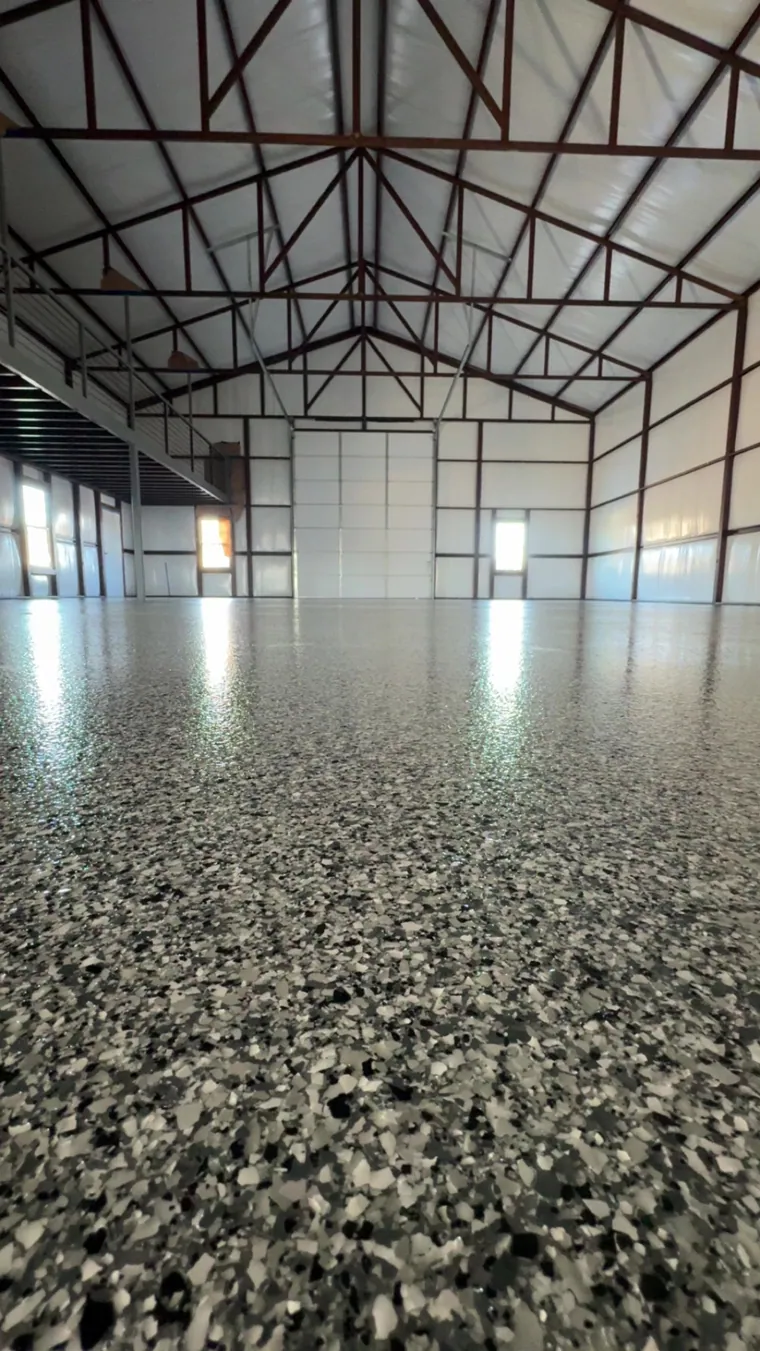
Vinyl chip broadcast to refusal, then ground back and sealed. Hides imperfections, adds grip, and never looks dated.
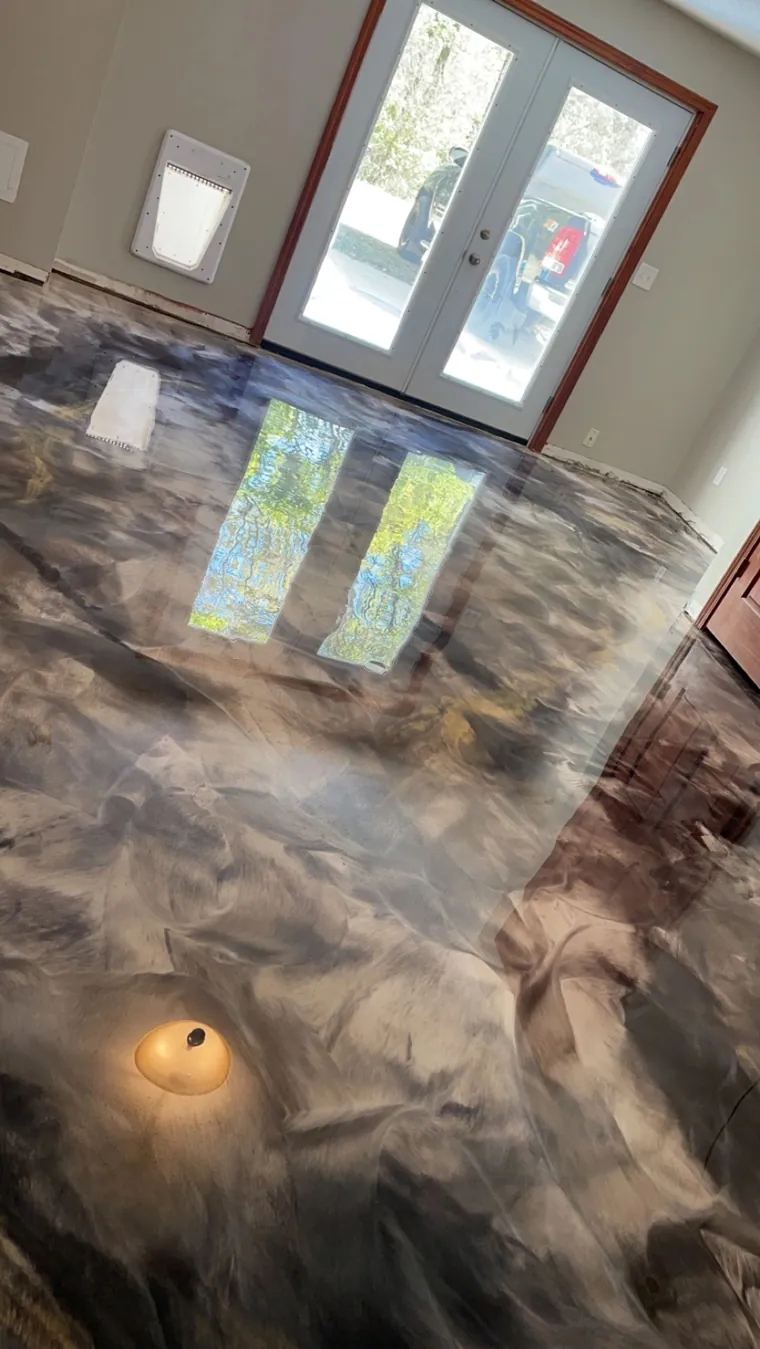
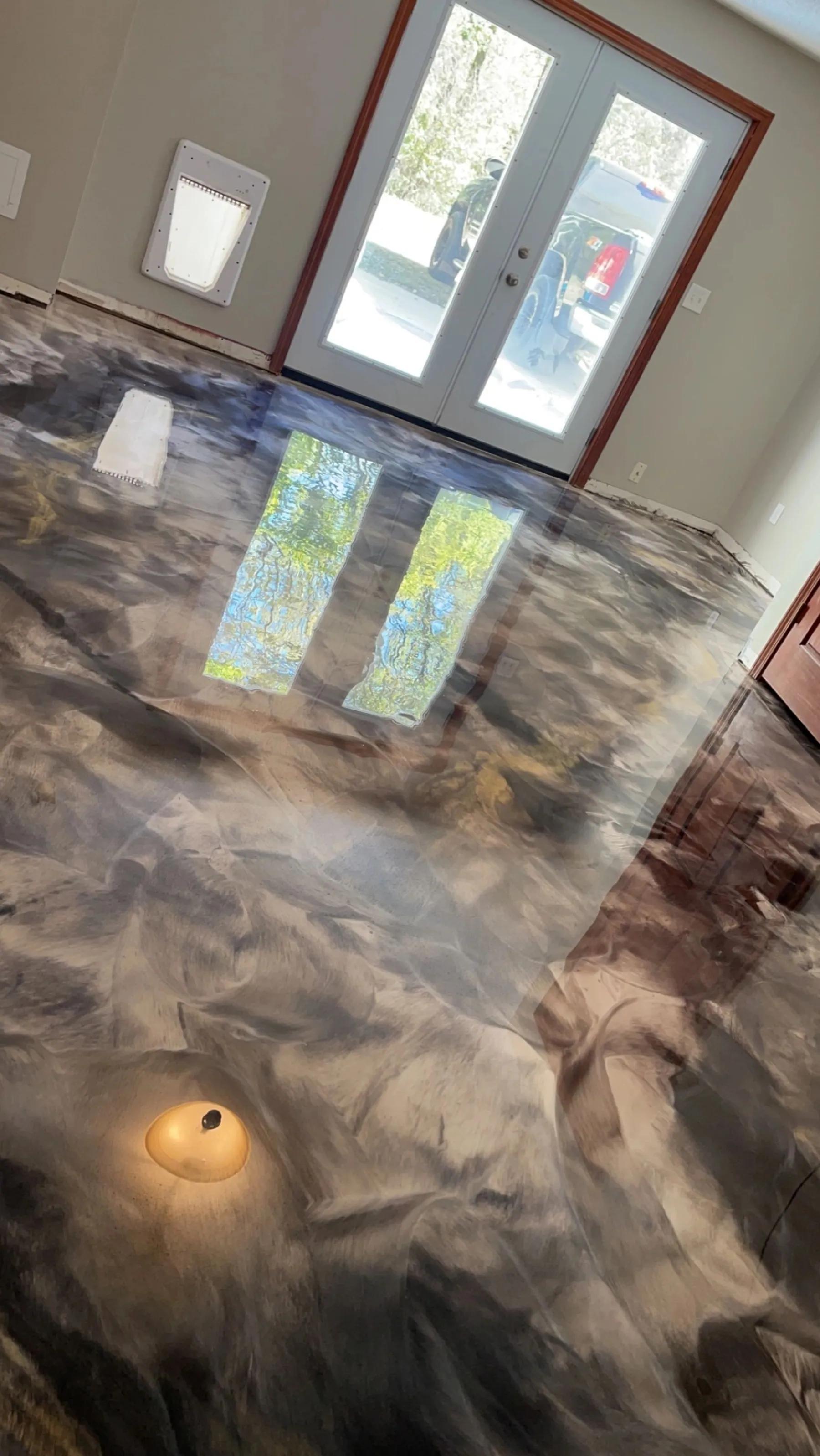
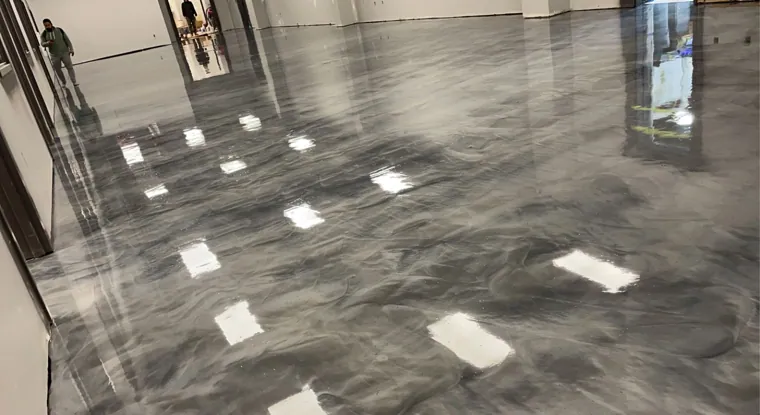
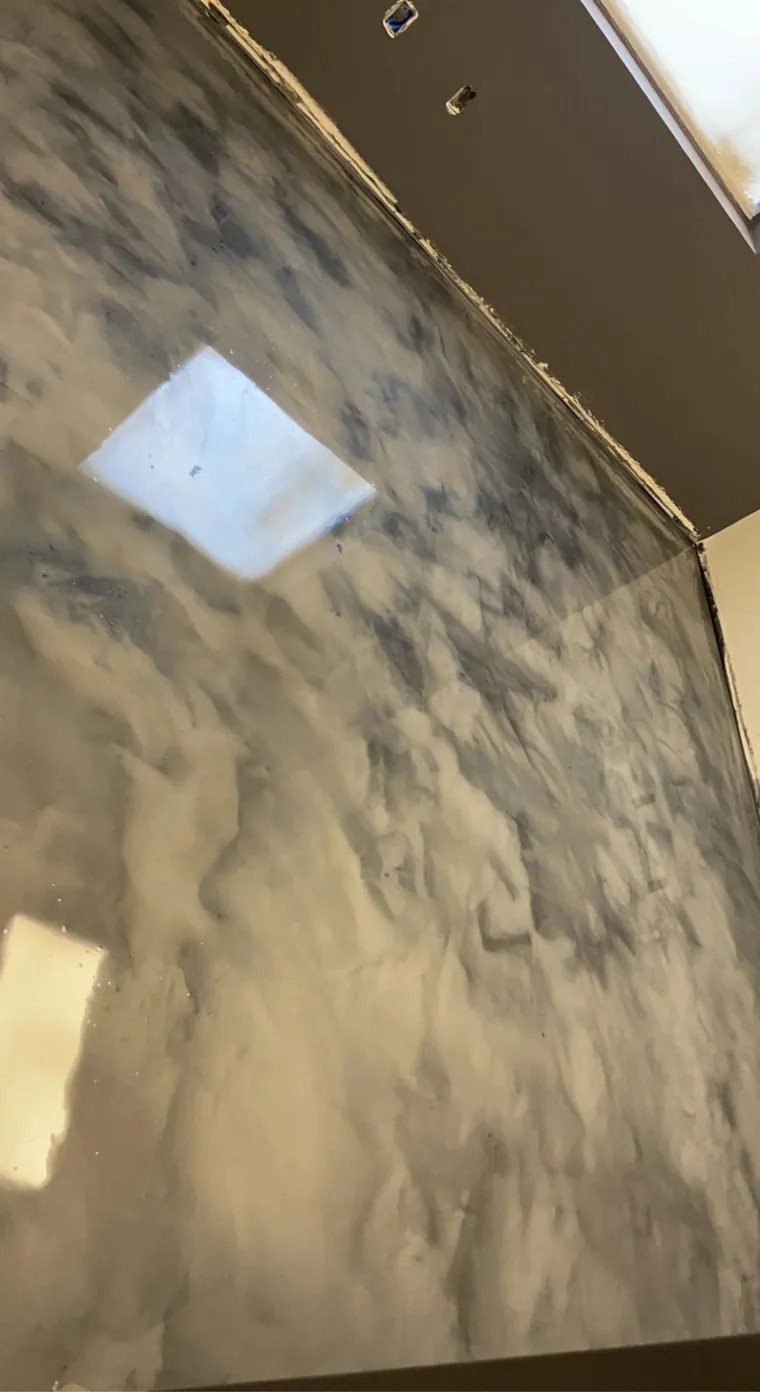
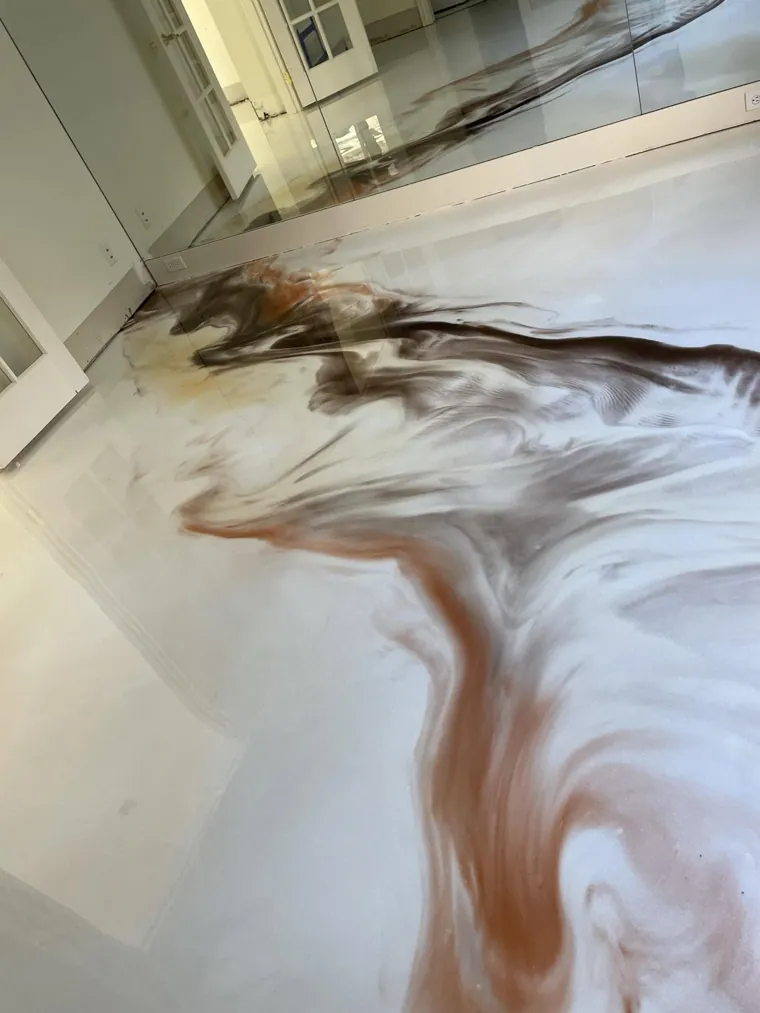
Pigment moved by hand while the resin is still live. No two floors are the same, and no photo does one justice.
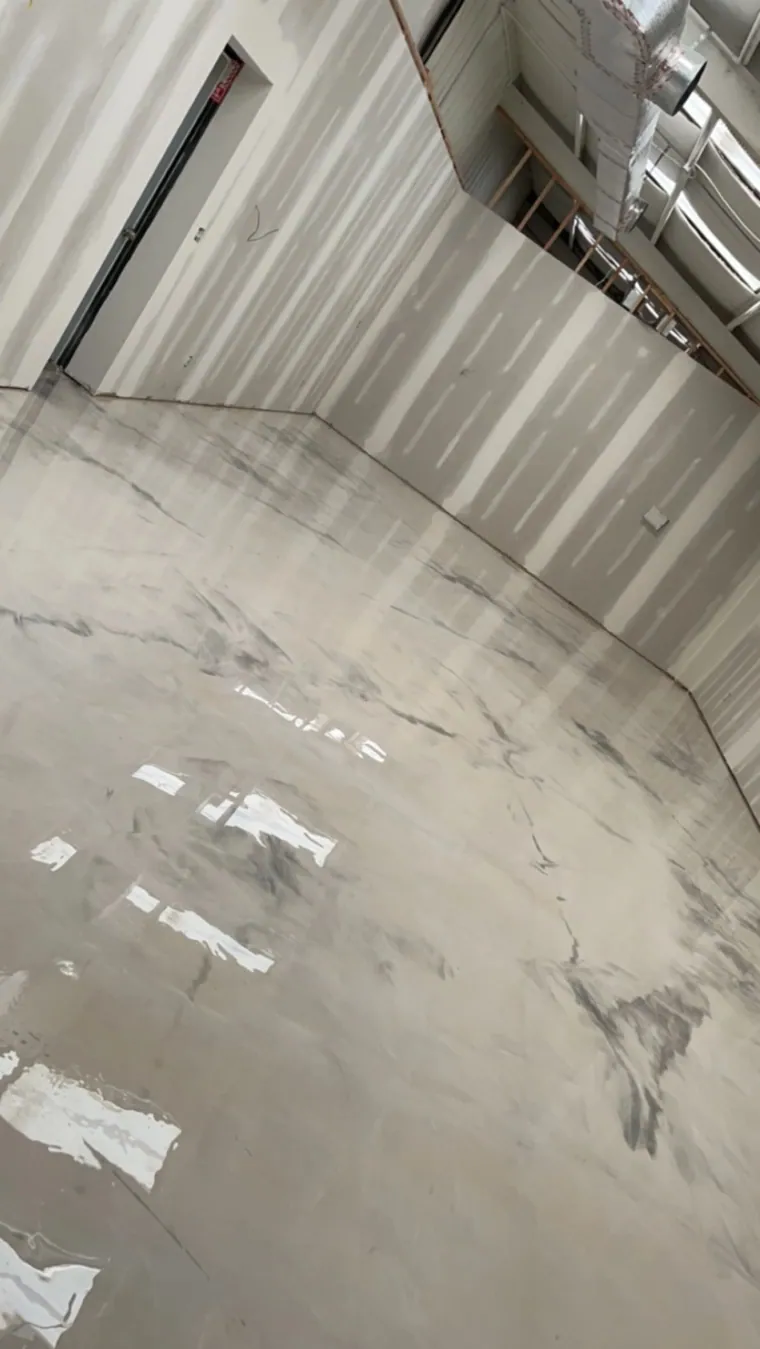
No coating at all — the slab itself, refined through progressive diamond grits until it shines and densifies.
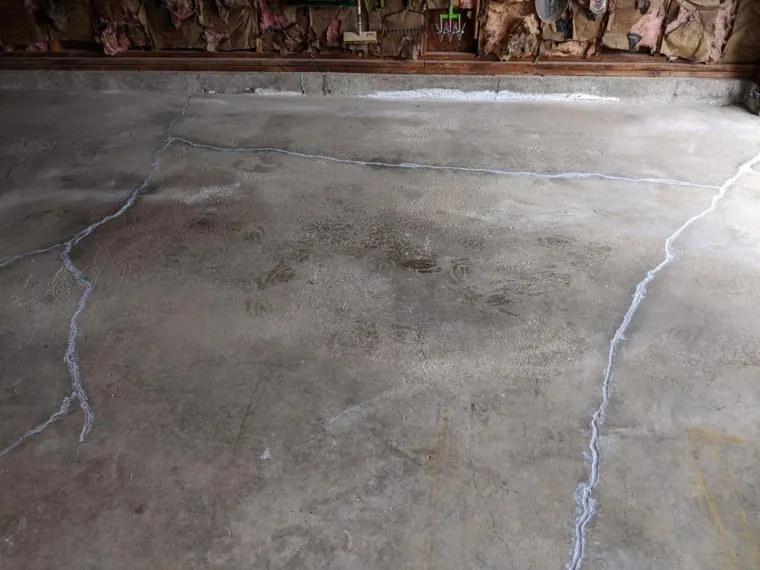
Cracks chased out, filled and ground flush before anything else happens. Coating over a moving crack just hides it for a season.
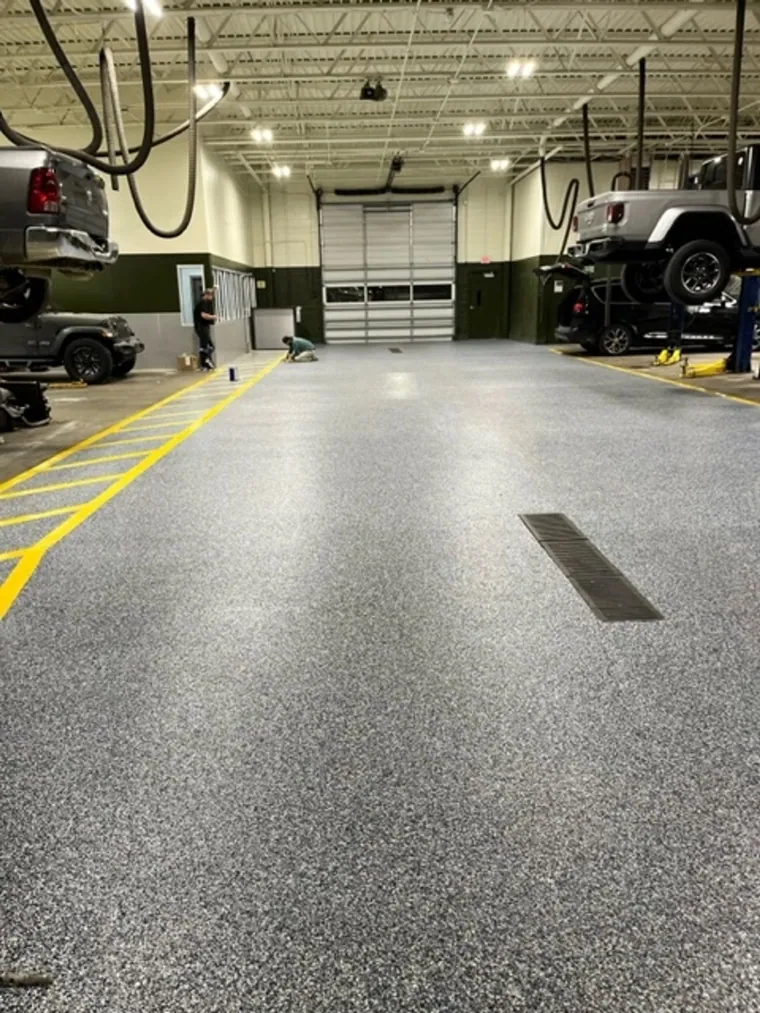
A topcoat is a wear layer — it is supposed to be replaced. Refresh it and the floor underneath lasts effectively forever.
Why floors peel
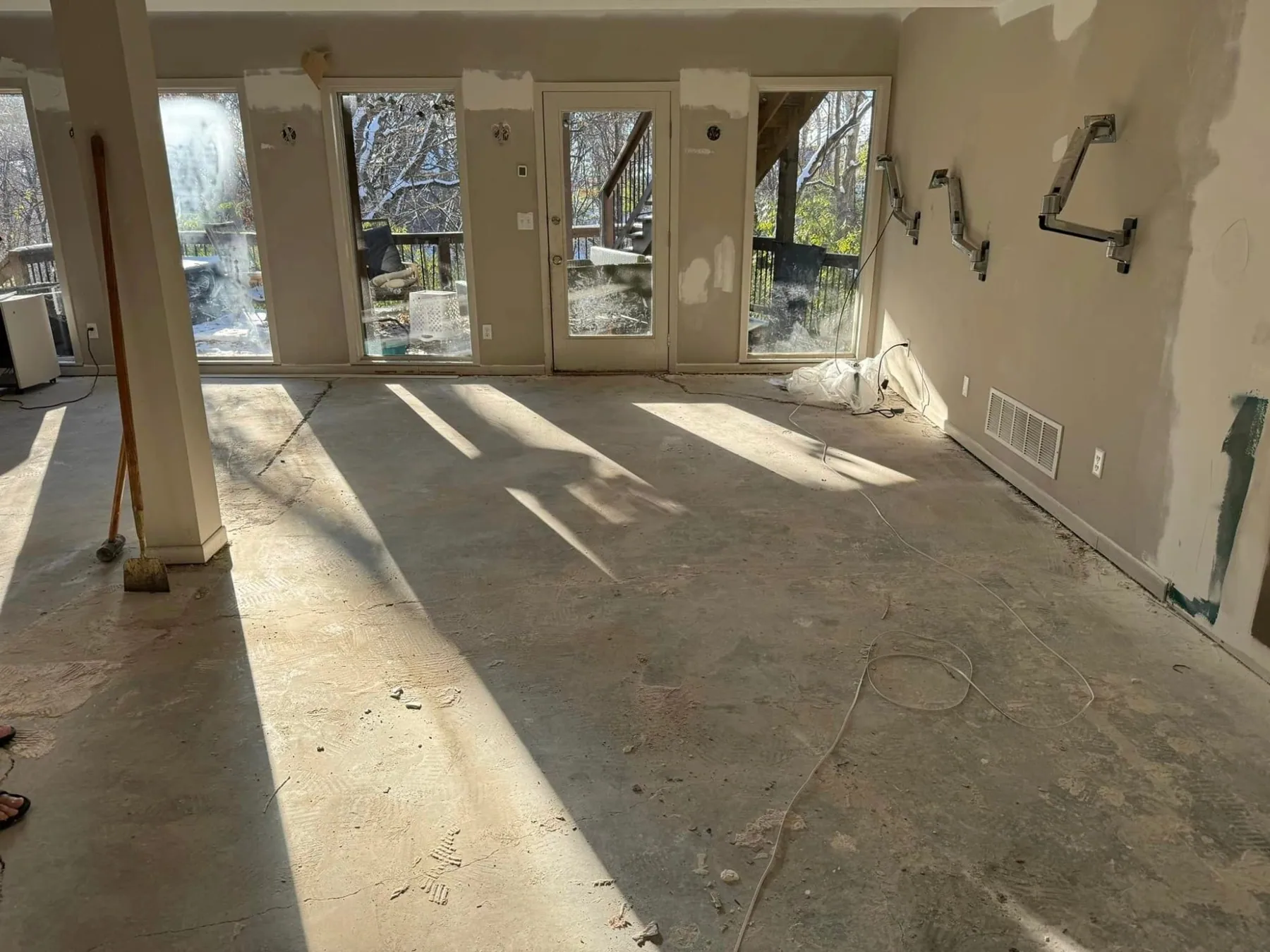
A coating does not stick to concrete because of the coating. It sticks because the concrete was opened up first. We run diamond tooling across every slab until it has a real profile — no acid etch, no pressure-wash-and-pray.
That is the difference between a floor that lasts a decade and one that lifts off with the first hot tire in July.
See the process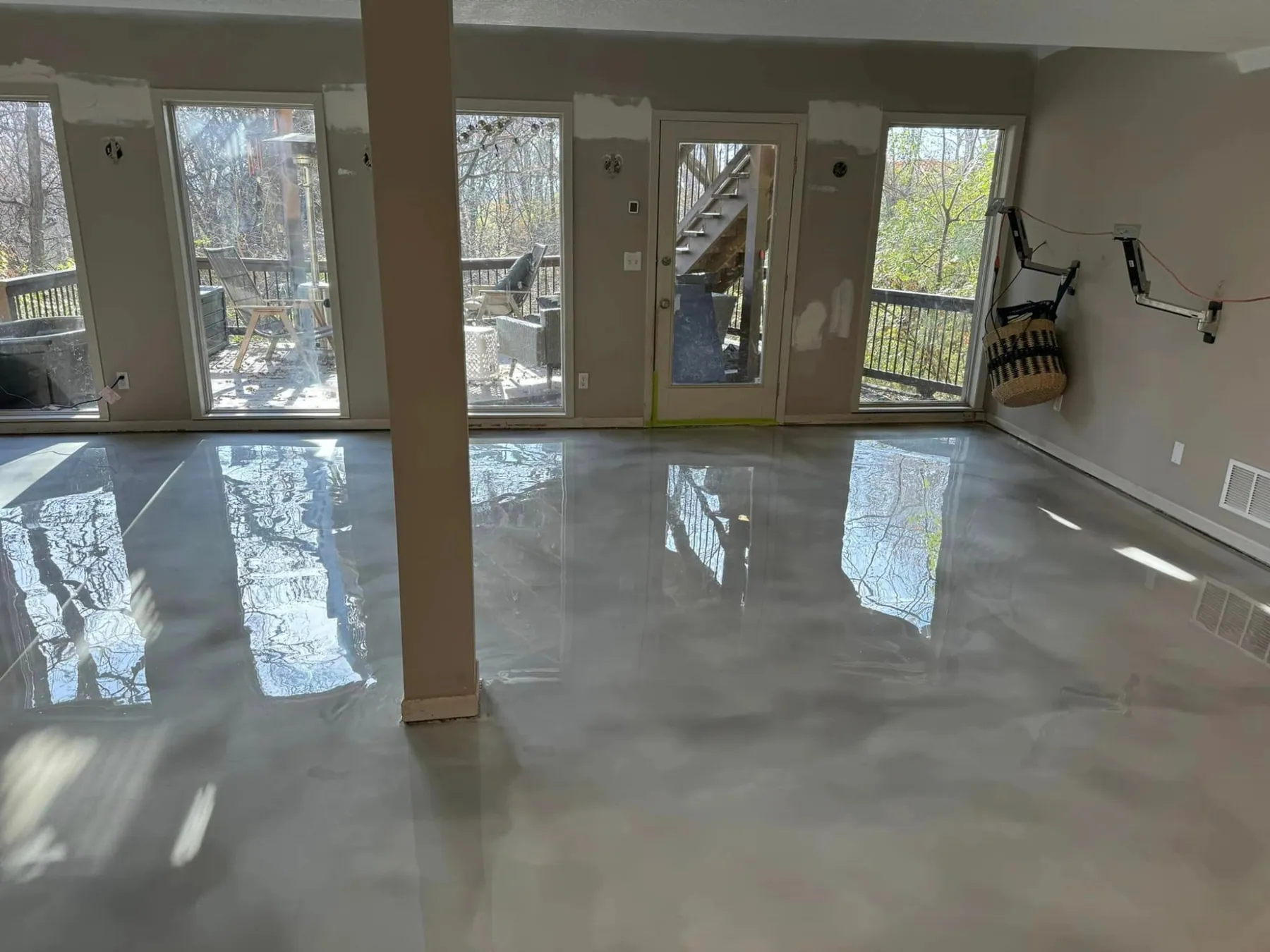
How it goes down
We open the concrete mechanically with diamond tooling — never an acid etch. This is the single reason coatings stick or peel, and it is where most cheap jobs cut the corner.
Cracks get chased out to sound concrete, filled, and ground flush. Pits and spalls get patched. We fix the floor before we coat the floor.
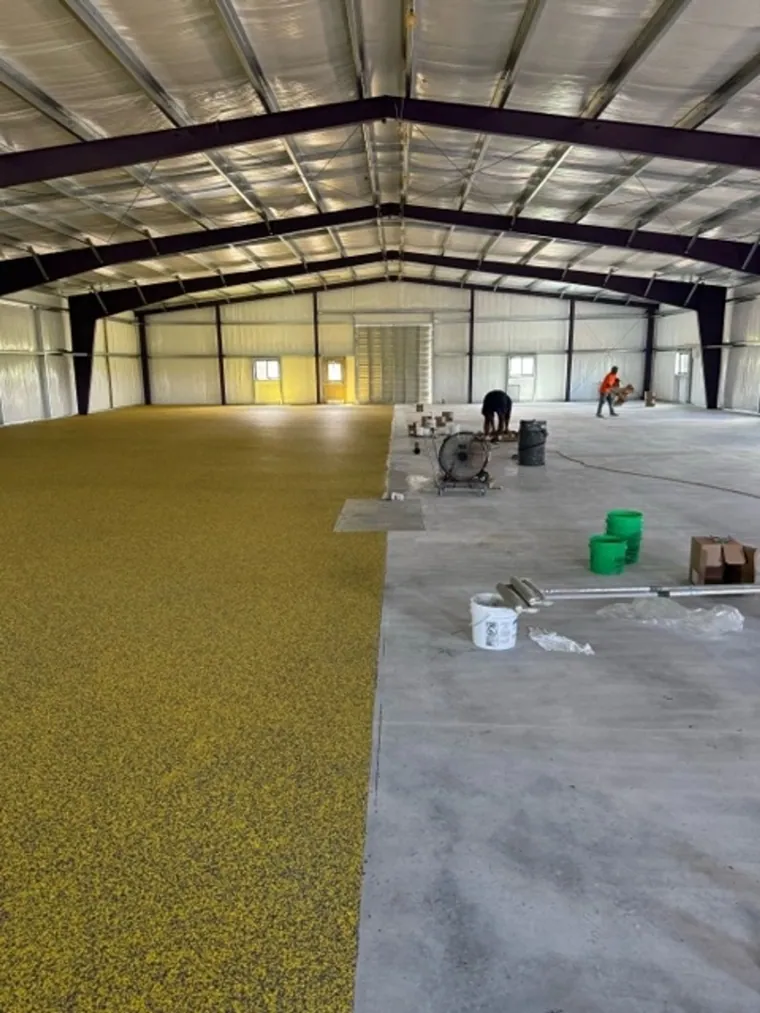
Primer, base coat, broadcast or metallic work, then topcoat. Each layer goes down inside its own recoat window so the system cures as one piece instead of four.
Walk on it the next day, park on it in about three. We do a final walkthrough with you and leave you the care sheet for the finish you actually got.
Our work
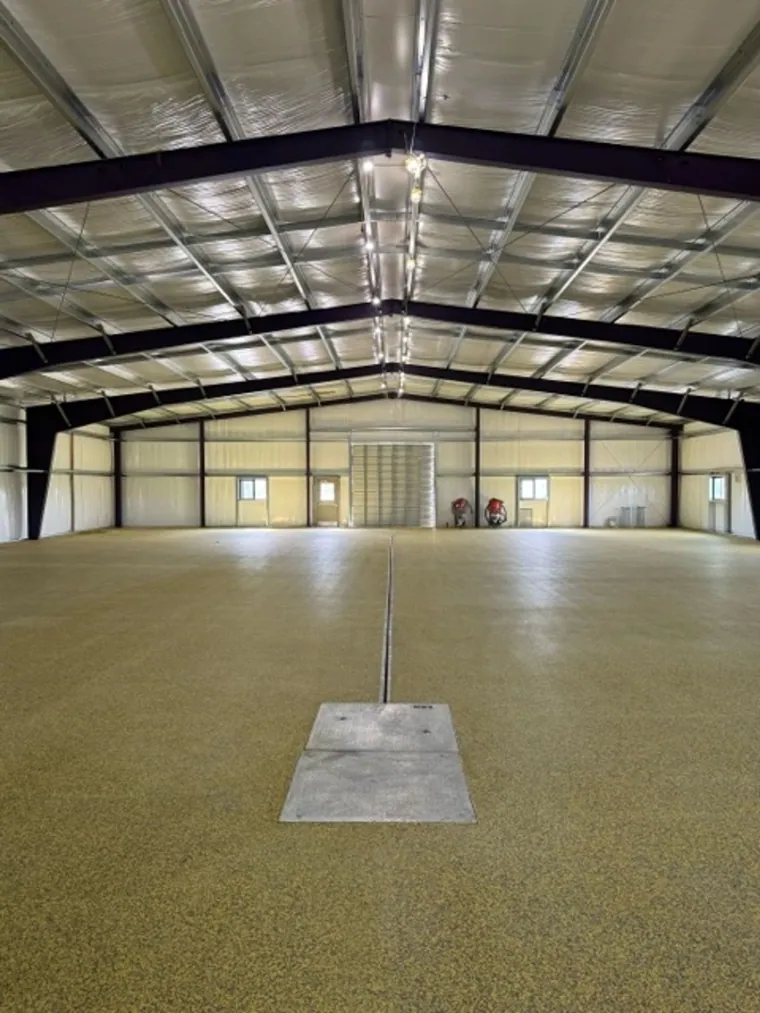
No stock photography. Kansas and Missouri slabs, shot on the job.
5.0 stars · 37 reviews
★★★★★“They did amazing! So friendly and great workers! Will def work with…”
Christine CroninJune 2026
★★★★★“Amazing experience! The team was professional, on time, and paid g…”
Tai PhamApril 2026
★★★★★“Russ and his crew were awesome! They did our basement floor and…”
nick maschlerApril 2026
Straight answers
The questions worth asking every contractor who quotes you.
Most residential garages are a one or two day job. Large commercial slabs run longer, and anything needing heavy crack repair adds a day. You get the real number in the estimate, not after we start.
Foot traffic the next day, vehicles at about 72 hours. Rushing a car back on before the system has cured is the fastest way to mark a brand new floor.
Almost always prep. If the concrete was acid-etched or just pressure washed instead of mechanically ground, the coating is sitting on the surface rather than keyed into it. We diamond grind every slab.
Not with a properly installed system. Hot tire pickup is a failure mode of thin DIY kits and big-box roll-on epoxy, not of a ground, primed and topcoated floor.
It comes down to square footage, the condition of the slab, and the finish you pick. Estimates are free and we will tell you if a straight polish or a repair makes more sense than a full coating.
Yes — warehouses, shops, showrooms and institutional floors alongside residential garages and basements. Commercial scheduling can work nights and weekends to keep you open.
Free estimate
Square footage, what it is used for, and what shape it is in. We will come look, and you will get a real number — not a range designed to change on install day.